I’ve journeyed to Türkiye several times (formerly known as “Turkey” – not the funny-looking bird, but the country, which is probably why they changed the name). Once with my uncle to zap around Istanbul for some sightseeing. A few years later, to get engaged to my lovely fiancée while gazing upon the Bosphorus Strait. And a third time on a 7-hour stopover where my now lovely-as-ever wife and I – both voracious globetrotters – pounced upon a priceless opportunity to see the nation’s biggest city with “Tour Istanbul.”
No literally, it was priceless – completely free (if you have a long enough layover): free knowledgeable tour guide, free visit to the majestic Blue Mosque complex, and free hearty dinner of döner kebab, fluffy rice pilaf, and Mediterranean soup. The guide never once pressured us to buy anything, like souvenirs. We were just having fun soaking up local history, architecture, and cuisine. I’d never experienced anything like it in all my time traveling.
No literally, it was priceless – completely free (if you have a long enough layover): free knowledgeable tour guide, free visit to the majestic Blue Mosque complex, and free hearty dinner of döner kebab, fluffy rice pilaf, and Mediterranean soup. The guide never once pressured us to buy anything, like souvenirs. We were just having fun soaking up local history, architecture, and cuisine. I’d never experienced anything like it in all my time traveling.

Baklava, a pastry dessert whose layers of sweetness reflect the depths of Turkish hospitalityOn our return flight, I sat with my tummy filled to the brim with baklava and mused over the catchy name of Turkish airlines’ frequent flyer program: “Miles&Smiles.” It made me instantly think of the phrase “going the extra mile.” ‘Cause that’s what real hospitality is all about, right? – going above and beyond expectations to make someone else feel like they mean something in this world.
Of course, when we touched down, I googled this idiom. I was flabbergasted to realize it actually traces all the way back to Jesus Christ.
Picture this: You’re a downtrodden Jewish peasant living in Roman-occupied Judea. For years, you’ve been following Jesus of Nazareth – a rabble-rousing “rabbi” who’s been preaching about how the Kingdom of Heaven is coming to heal the brokenness of the world. Woohoo!
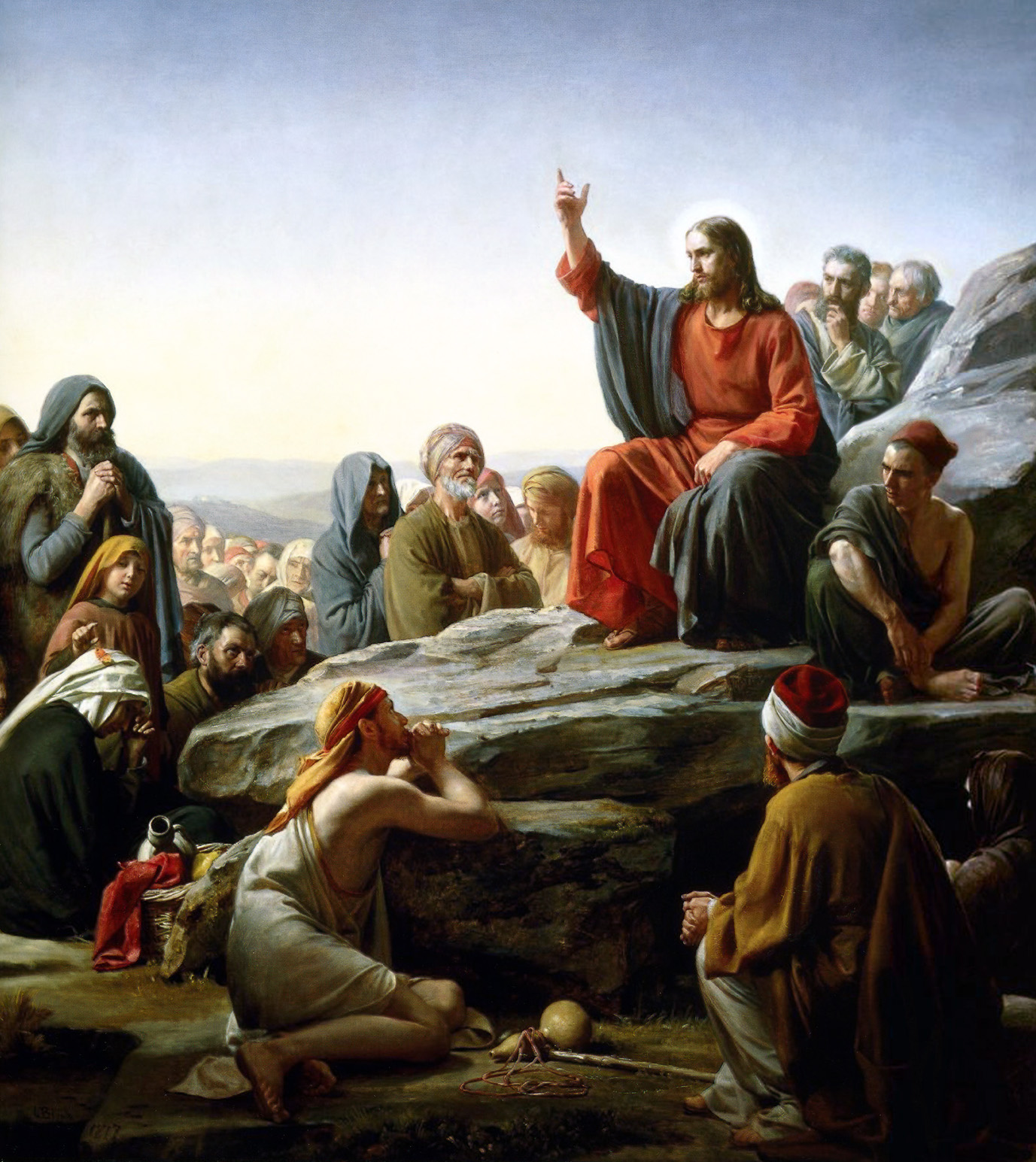
Now, it’s around the year 27 C.E. and you’re sitting on a hill in Galilee near Capernaum, listening to Jesus deliver his legendary Sermon on the Mount where he starts publicly establishing his identity as the Messiah come to rescue not just the Israelites but all of humanity. Your heart is aflame with excitement. Then your ears catch something that triggers some eyebrow-raising.
”And if anyone forces you to go one mile, go with him two.”
– Jesus (Matthew 5:41)
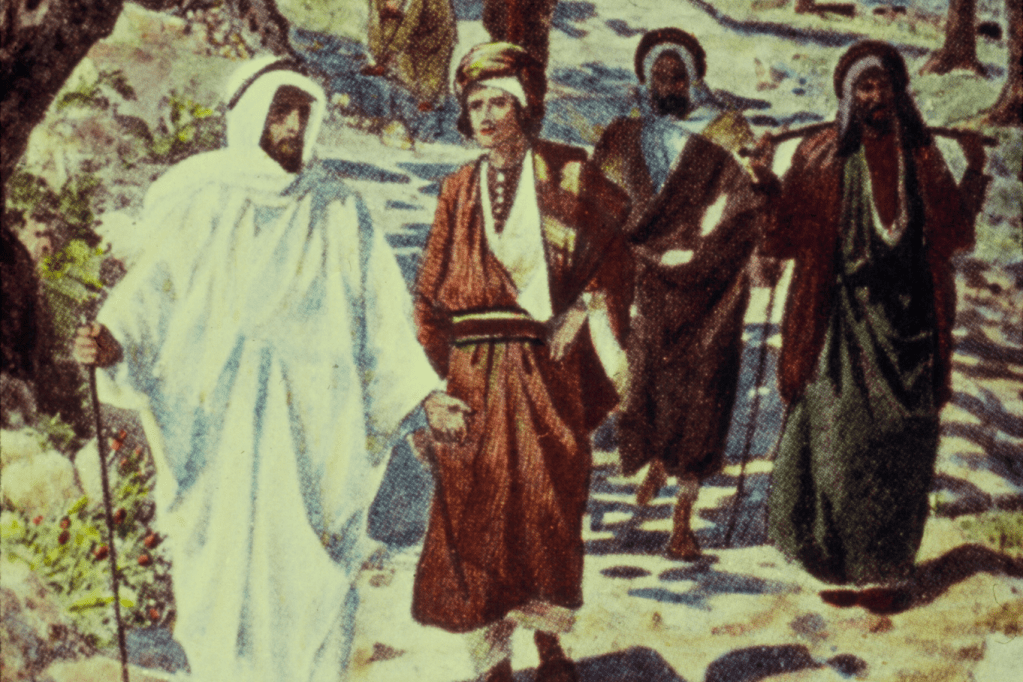
Anyone in the audience at that time would’ve known what Jesus was referring to. See, there was this law where if a Roman soldier encountered Jewish civilians on the road, he could order them to stop, drop their belongings, and carry his own cumbersome, burdensome gear for up to one Roman mile in whatever direction he was going. Humiliating? Yes. Effective? Sure (at least in the short term). Reminds Jews who’s boss.
So wait… Jesus, are you telling us we Jews should not only comply with this ridiculous law, but actually offer to bear a centurion’s load for another mile? Shouldn’t we be, I don’t know… revolting against the tyrannical rule of King Herod and reestablishing justice in the land? You’re telling us to entrench our obedience to Rome! Doesn’t sound like what the Messiah would do…
Or does it? How else does the Messiah, a Prince of Peace, save the world than by inverting the rusty, unjust institutions and norms we humans have perpetuated? By voluntarily assisting a Roman soldier, Jews would be holding up a giant mirror of reckoning to his face, forcing him to face his role as a cog in a cruel, unsustainable system of rule: “Do you see your own oppression? Wake up to it.” He’d feel surprised, confused, and perhaps even ashamed as he watches the ones he is subjugating respond with kindness and forbearance. That might just be the moment that opens up his heart to their plight, inviting him to see them as human beings.
Not to mention it would be kind of hilarious to see that brutish soldier nervously shaking as he nears his outpost with a bunch of travel-weary Jews living hand to mouth – if a superior finds out he has made them lug his things farther than the prescribed mile, he could get seriously reprimanded. But, of course, that’s what Divinely inspired revolutions are all about – turning the world upside down (or better put, right side up) through brilliant, radical acts of civil disobedience.
A man on the same spiritual wavelength as Jesus once said:
”Help your brother, whether he’s an oppressor or an oppressed person.”
– Muhammad (Sahih al-Bukhari)
Inside, the Islamic prophet’s companions listening to these words must have been scratching their heads, bewildered by the injunction to help an “oppressor.” So they asked for clarification on how exactly to do that. Muhammad replied: “By preventing him from oppressing others.”
It’s fascinating that the word Muhammad used for “help” in Arabic – ٱنْصُرْ unṣur – also means “make victorious.” Wanting victory for your oppressors? Might sound a bit weird at first glance. But it’s what (real) religion is all about: seeing humanity as one – and in the same boat. And sometimes that requires us to aid oppressors in detoxifying themselves from the propaganda they’ve been taught that is blinding them to the consequences of their own oppression.
That “extra mile” isn’t an obligation, but an opportunity – an opportunity to build a bridge between oppressed and oppressor, helping the latter cross over, empathize with the hurt they’ve caused, and make amends. It’s what South Africa did with its Truth and Reconciliation Commission, which hosted raw conversations between perpetrators and victims that started unraveling racist thinking and dismantling apartheid. No more “good guys” versus “bad guys.” No more “eye for an eye.” Just the radical courage to reach out to the Other and transform the world together.
On that uplifting note, I think I’ll go the extra mile to my kitchen and enjoy the slice of baklava there that’s calling my name, thereby (temporarily) ending the oppression of my sweet tooth.


 Safarju
Leave a comment