
If I had to pick my favorite snippet from Antoine de Saint-Exupéry’s The Little Prince (the best-selling children’s book of all time with over 140 million copies sold since it was published in 1943), it would be the one where the young, inquisitive protagonist visits the planet of a drunkard or “tippler.” The two converse, but only briefly:
The Little Prince: “What are you doing?”
The Tippler: “Drinking.”
The Little Prince: “Why are you drinking?”
The Tippler: “To forget.”
The Little Prince: “To forget what?”
The Tippler: “To forget that I am ashamed.”
The Little Prince: “Ashamed of what?”
The Tippler: “Ashamed of drinking.”
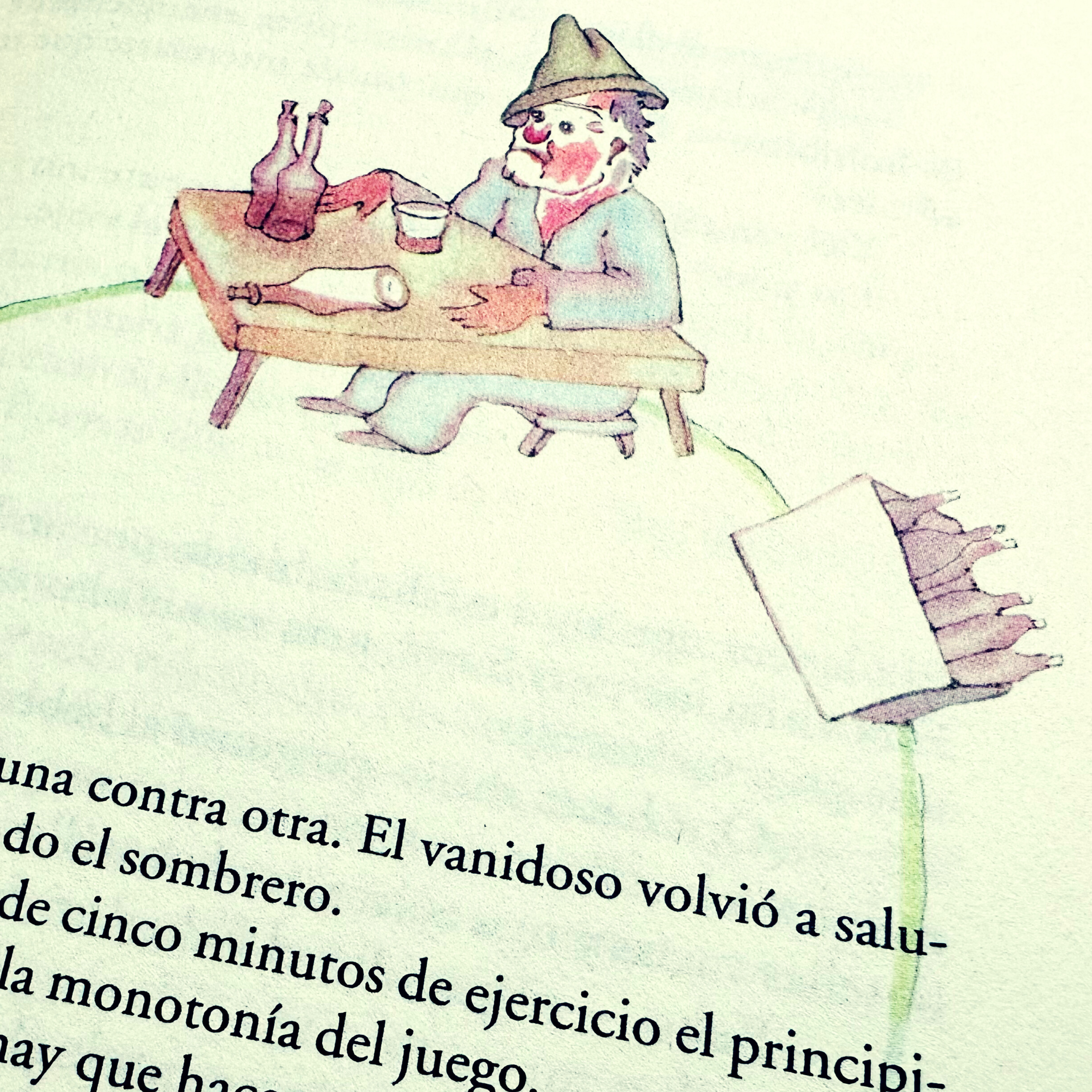
So why do I love this exchange so much (even though – let’s face it – it’s kind of depressing)? Well, it highlights a vicious merry-go-round us adults often find ourselves stuck riding: the shame-addiction cycle.
I’d argue that most Homo sapiens are basically addicted to something (or perhaps, more precisely, addicted to the dopamine-infused feeling we get when we engage in a certain vice). Everyone recognizes the big-name culprits like alcohol, drugs, gambling, and scrolling endlessly through AI-generated Instagram videos of kittens dressed up as Lord-of-the-Rings-esque kings, knights, and wizards (my guilty pleasure). But there are a myriad of other less easily identifiable addictions — many of us are addicted to approval, “hard work,” risk, drama, comparison, prestige, and even self-deprecation.
Each of these addictive impulses boils down to a type of escapism — we’re desperately trying to avoid, cover up, or compensate for something about ourselves that we’re not proud of. As a recovering procrastinator, I could (but won’t right now, maybe later haha *dad joke*) divulge countless stories of how I didn’t pursue a dream in my life due to imposter syndrome. My addiction to unattainable perfection provided a welcome but ultimately false sense of relief from the shame I felt at not being who I really wanted to be.
Cue… the Serenity Prayer! It’s said to be the most famous English-language supplication written in modern times, even featuring in Hallmark greeting cards (the author is typically said to be American Protestant theologian Dr. Reinhold Niebuhr, but — as with many quotes from olden times — we don’t know exactly for sure). Most famously, this pithy prayer has been adopted by Alcoholics Anonymous, a global peer-led fellowship dedicated to empowering people to confront their alcohol abuse through abstinence-based recovery:
“God, grant me the SERENITY to accept the things I cannot change, the COURAGE to change the things I can, and the WISDOM to know the difference.”
Interestingly, SERENITY or serēnitās in Latin was originally used to refer to a clear sky, a metaphor for a mind that’s untroubled by the vicissitudes of life. And the prayer’s mention of “acceptance” echoes the Arabic word إسلام islām, which literally means “surrender” (and no, not in that weird paranoid way of “Moslems are taking over the world and if we surrender to them, we’ll all be forced to wear turbans and burqas and replace McDonald’s with Hummus Hut”). The name of the Muslim religion derives from the tripartite root s-l-m, which carries connotations of “peace” and “safety.” So “surrendering” oneself to God’s will (in other words, accepting the cards life throws at you) can help you tame your wild monkey brain and transform it into Rafiki from The Lion King.
I also just think “serene” is one of the most mellifluous words in the English language. It rolls off the tongue and rhymes with “Irene,” derived from the Ancient Greek Εἰρήνη Eirḗnē, which happens to mean “peace” (you can’t make this stuff up, folks!) and was even the name of a Greek goddess.
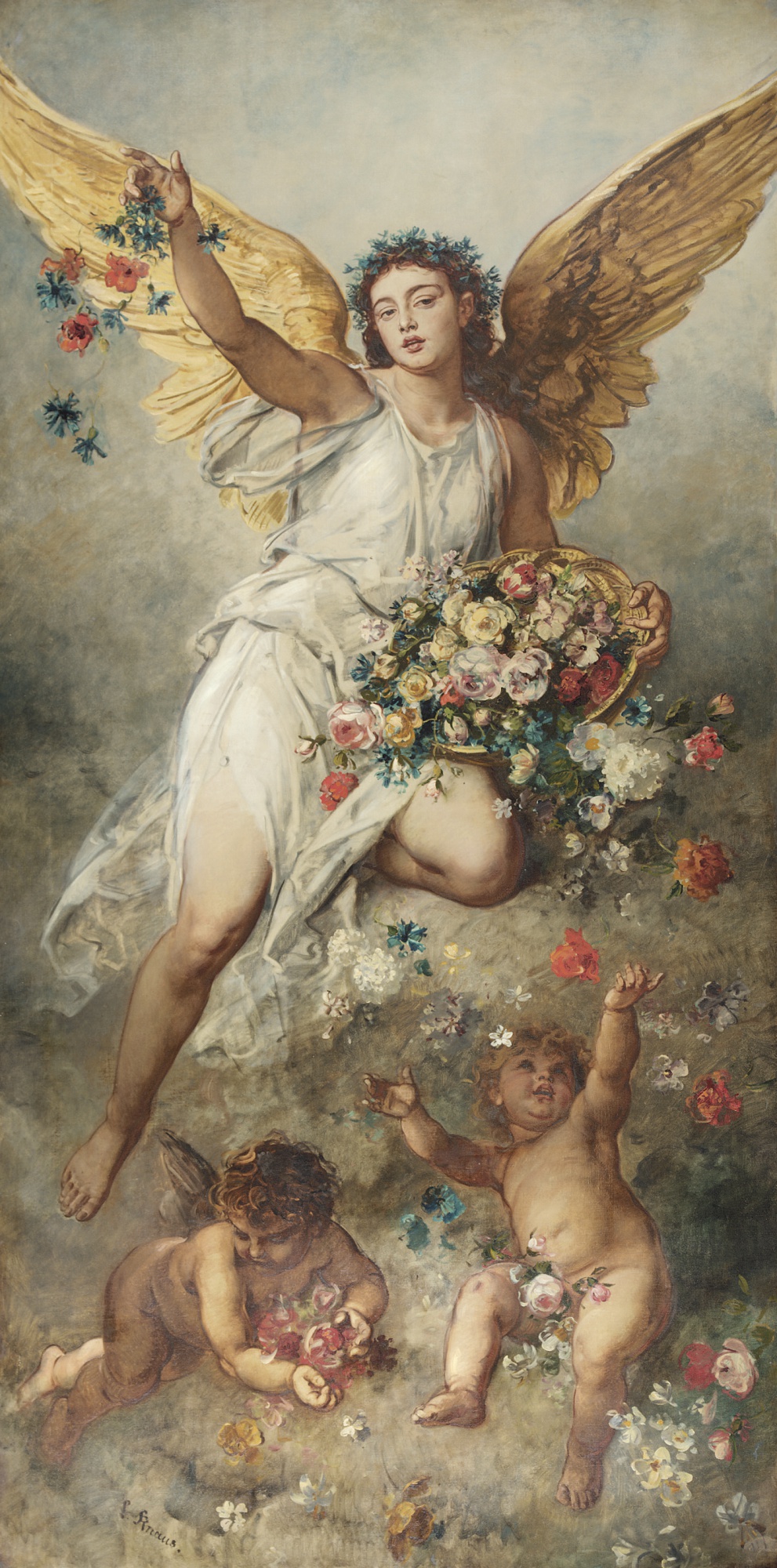
Now hang on, doesn’t it seem a bit odd that the Greeks would have a goddess of peace? Weren’t they a pretty bellicose bunch, what with the Persian Wars, the Peloponnesian War, and the Trojan War, to name a few? I guess Eirene was on vacation for most of her tenure… or was she?
The ancient Greeks didn’t worship “the gods” blindly. They understood their deities weren’t going to simply wave a wand and magically fix all our problems here on Earth. The whole point of life was to actualize human potential in alignment with divine ideals of virtue, to seek out and mold our own destiny. It’s why after the Athenians achieved naval victory over Sparta around 375 BCE, they erected a bronze statue to the goddess of peace Eirene in the heart of their capital. Decades of fighting had devastated their empire, but they chose to pursue the promise of peace. And as the Serenity Prayer teaches, it takes COURAGE to commit to that kind of change.
*Fun fact* Eirene was one of the Horae, a trio of goddesses representing the seasons. She was the personification of spring, a season of rejuvenated life, which fits into that theme of Athenians’ building something new and prosperous out of the ashes of war.
But how do we know what we can’t change and what we can change in our lives? This question touches on an age-old tension that exists in many spiritual and philosophical traditions between predetermination and free will. Attempting to answer it here in the last few words of this post would be immeasurably silly. So instead, I’ll leave you with a maxim from legendary Jedi Master Yoda: “Do or do not, there is no try.”
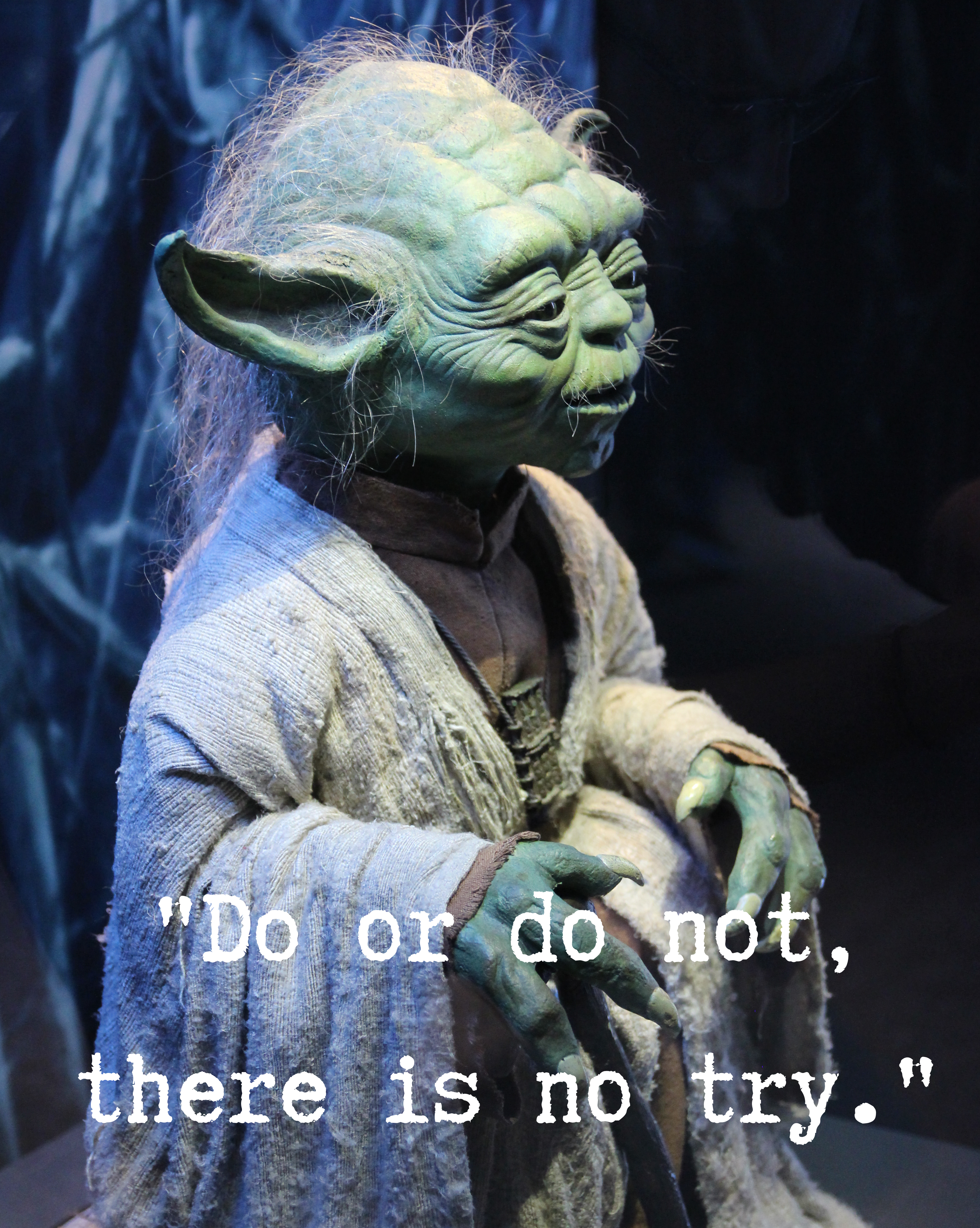
Phrases like “alright, I’ll give it a try” or “at least I tried” (accompanied by a well-timed shrug) can be deceptively self-soothing. They massage us into believing that we’re making progress up the hill when actually we’re slipping or tumbling down, just like Jack when he tried to fetch that pail of water. The missing ingredient? Commitment — a “no-turning-back” mindset. It’s totally cool to be unsure about the next best step to take on the road ahead. But as Yoda advises, we must abandon hesitant thinking and commit ourselves to taking positive-minded action, regardless of whether or not we end up messing up.
Because that’s how we learn — by doing. It’s how we gain the WISDOM to distinguish between what we can and cannot change and, ultimately, live life more soberly, confidently, and happily.


 Safarju
Leave a comment