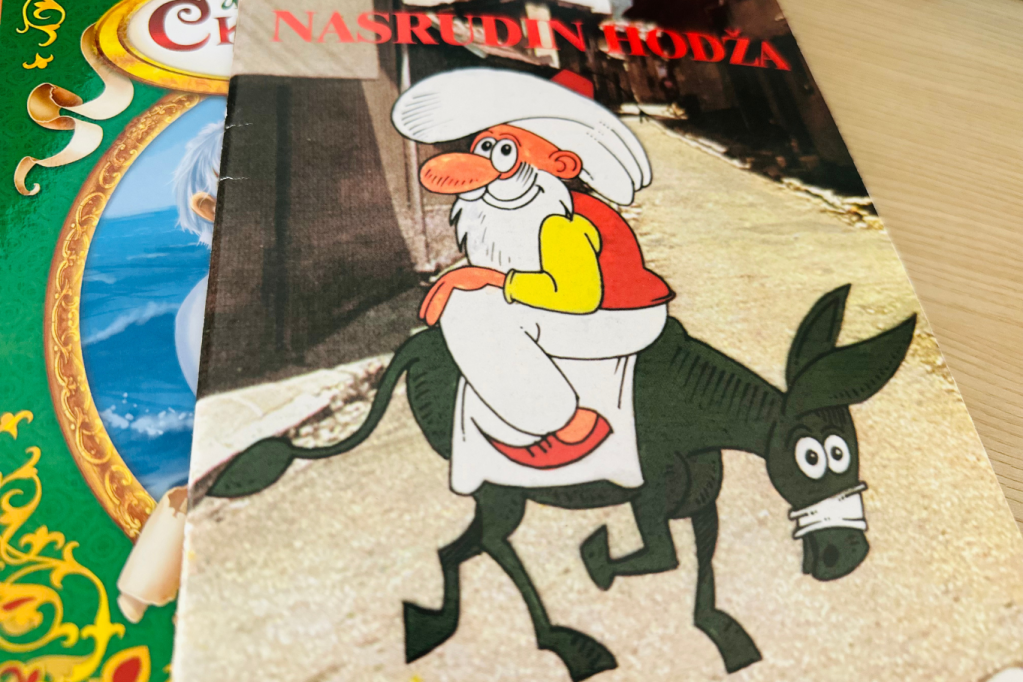
Here is one of my favorite folktales from the witty, whimsical medieval-era character Mulla Nasreddin Hodja (also spelled “Nasruddin,” reflecting a more Arabic pronunciation). This trickster, simpleton, and sage all rolled in one features in stories across the Muslim world, everywhere from Turkey to India to Bosnia to Uzbekistan to the Mideast and North Africa.
One day, the wise fool Mulla Nasruddin is sitting in a local teahouse when the town doctor walks in. Nasruddin says to him: “I’m worried about my wife. She seems to have grown hard of hearing. Do you know of any cure for this?”
The doctor replies: “Bring her to my clinic and I can take a look at her eardrums. But before that, try this test. When you go home this evening, call out to your wife from the gate. If you don’t hear a response from her, then inch a bit closer and try saying something to her from the front door. Keep moving closer to where she is until she answers you. This will help you gauge how serious the hearing loss is.”
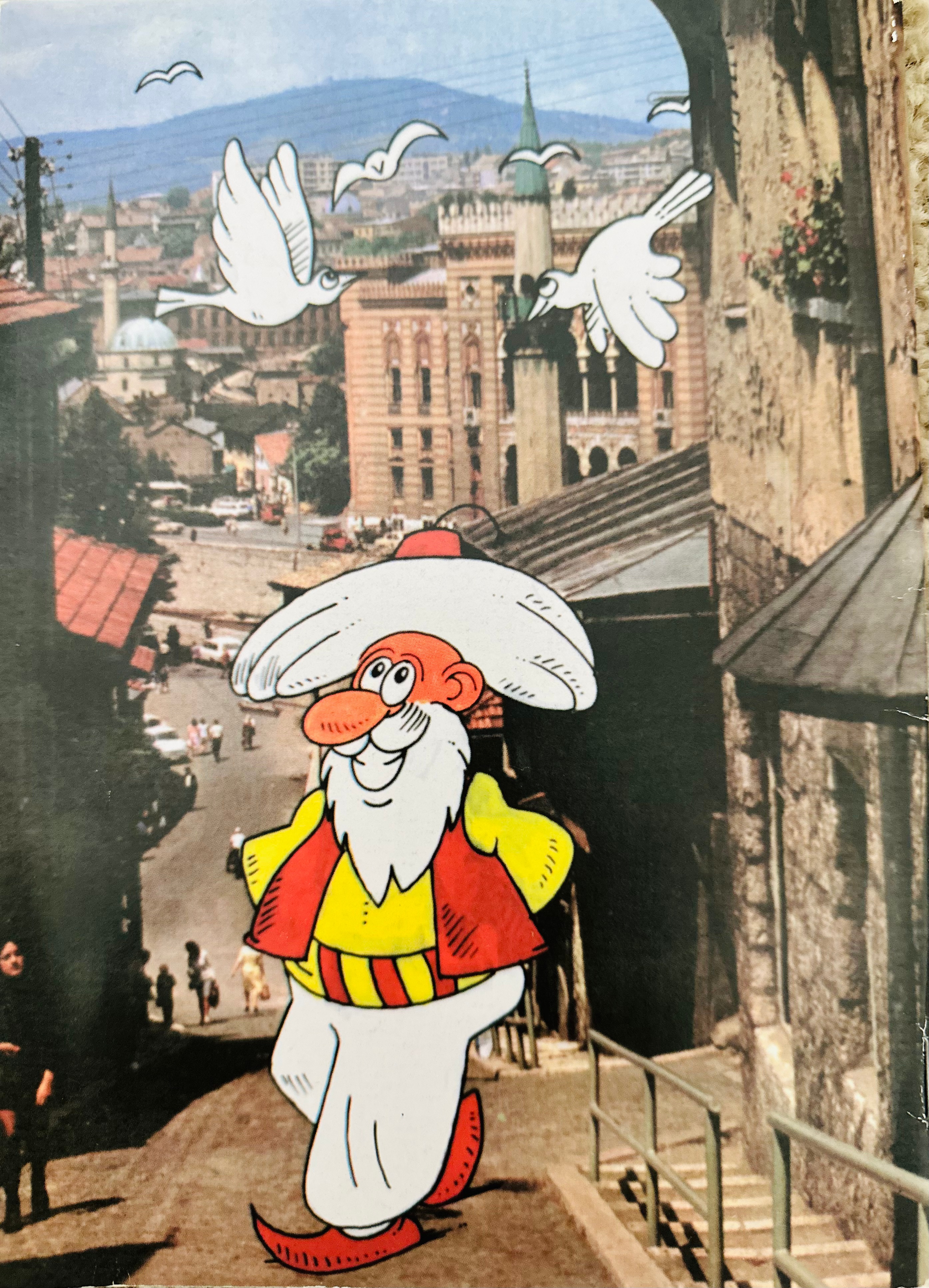
Grateful for this free medical advice, Nasruddin heads home. Stopping at the gate, he yells out: “I’m back, sweetheart! What are we having for dinner?” No reply.
So Nasruddin makes his way to the porch and shouts: “It’s me, honey! What’s on the menu for dinner tonight?” Still no response. Strange.
Nasruddin then steps inside, stands under the kitchen doorway, and loudly exclaims: “What’s for dinner, dear?!”
Nasruddin’s wife is stirring a big pot on the stove. She turns to face her husband and, quite irritated, says: “Are you deaf, Nasruddin? For the third time, I repeat – we are having tomato soup with pilaf, followed by baklava for dessert!”
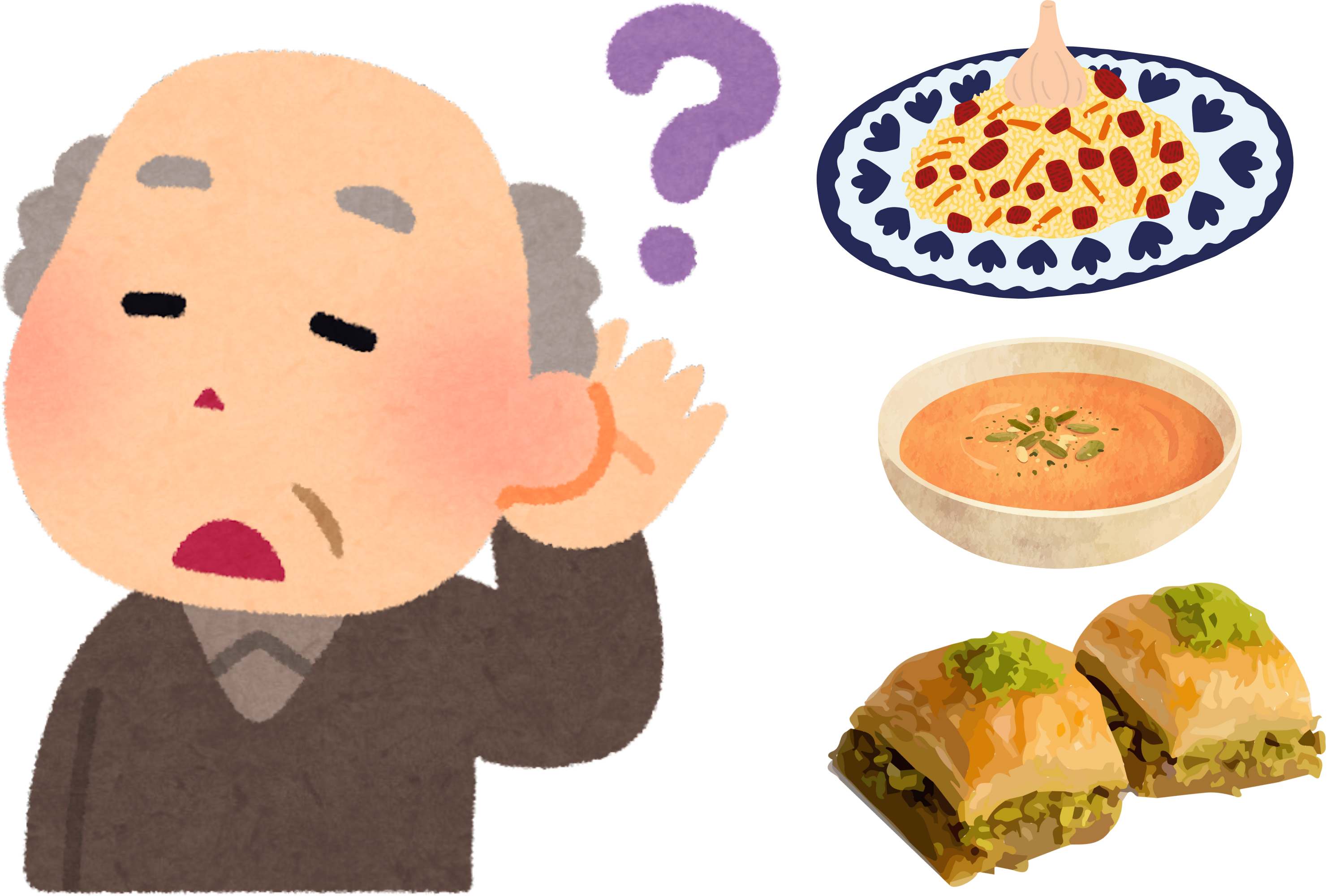
Nasruddin believed his wife had a hearing issue, when actually it was the other way around! How often do we do the same — assume someone else is the cause of a problem when in fact it’s us who are misreading the situation? That, my friends, is exactly how cultural barriers emerge:
When we believe our worldview or our culture is the best, it becomes so easy to grow “deaf” to alternative perspectives, assuming things about the Other that simply aren’t true.
But as the town doctor in the story indicated, there is an antidote to cultural miscommunication: take the time to listen to others and try to understand them on their own terms. Easier said than done? You bet. Trying to process a belief that runs contrary to our own often triggers cognitive dissonance, the psychological discomfort associated with realizing our worldview might not be 100% foolproof.
But in the end, it’s in our own best interest to engage with radically different people and opinions — it allows us to get our hearing checked and become more objective, critical, and empathic thinkers.



 Safarju
Leave a comment